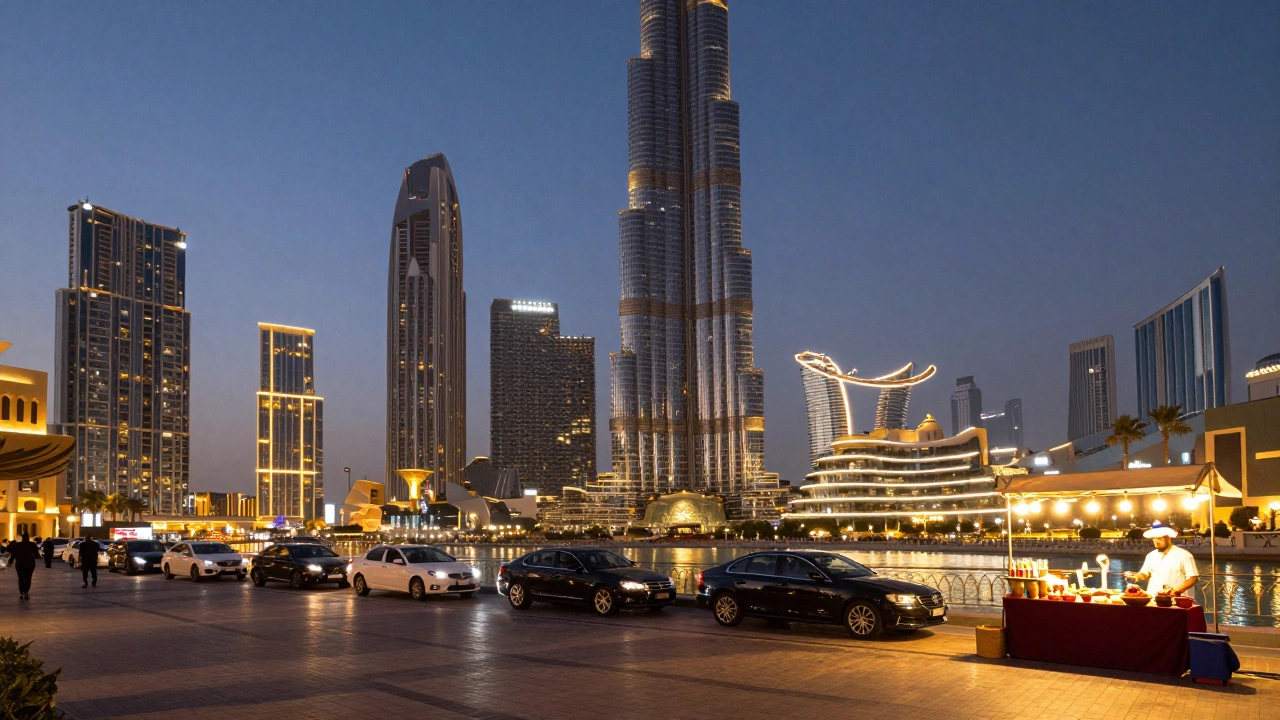
Dubai doesn’t just sparkle at night-it thrives. The city’s skyline, lit by towering glass spires and golden domes, turns into a living canvas after sunset. Palm Jumeirah’s crescent glows under moonlight, while the Burj Khalifa casts long shadows over streets where luxury cars idle beside street vendors selling spiced tea. This isn’t just a tourist postcard. It’s a real, breathing city where business meetings end at 8 p.m. and the real energy begins. Locals and expats alike know: Dubai’s rhythm changes when the sun drops. And if you’ve ever wondered what happens after the malls close, you’re not alone.
Some people look for more than just views. For those seeking companionship in a city that never sleeps, options exist-but not all are safe or legal. One name that pops up in obscure forums is jessy dubai fucks girl. These searches often lead to risky, unregulated services. The truth? Dubai has strict laws. What looks like a quick fix online can turn into a deportation, fine, or worse. The city doesn’t tolerate exploitation, and enforcement is swift.
Architecture That Defies Gravity
Dubai’s buildings aren’t just tall-they’re engineered to rewrite what’s possible. The Burj Khalifa isn’t just the tallest building in the world. It’s a feat of wind resistance, thermal control, and structural precision. At 828 meters, it handles wind speeds over 100 km/h at its peak. The design? Inspired by desert flowers and Islamic geometry. That’s not decoration. That’s science wrapped in culture.
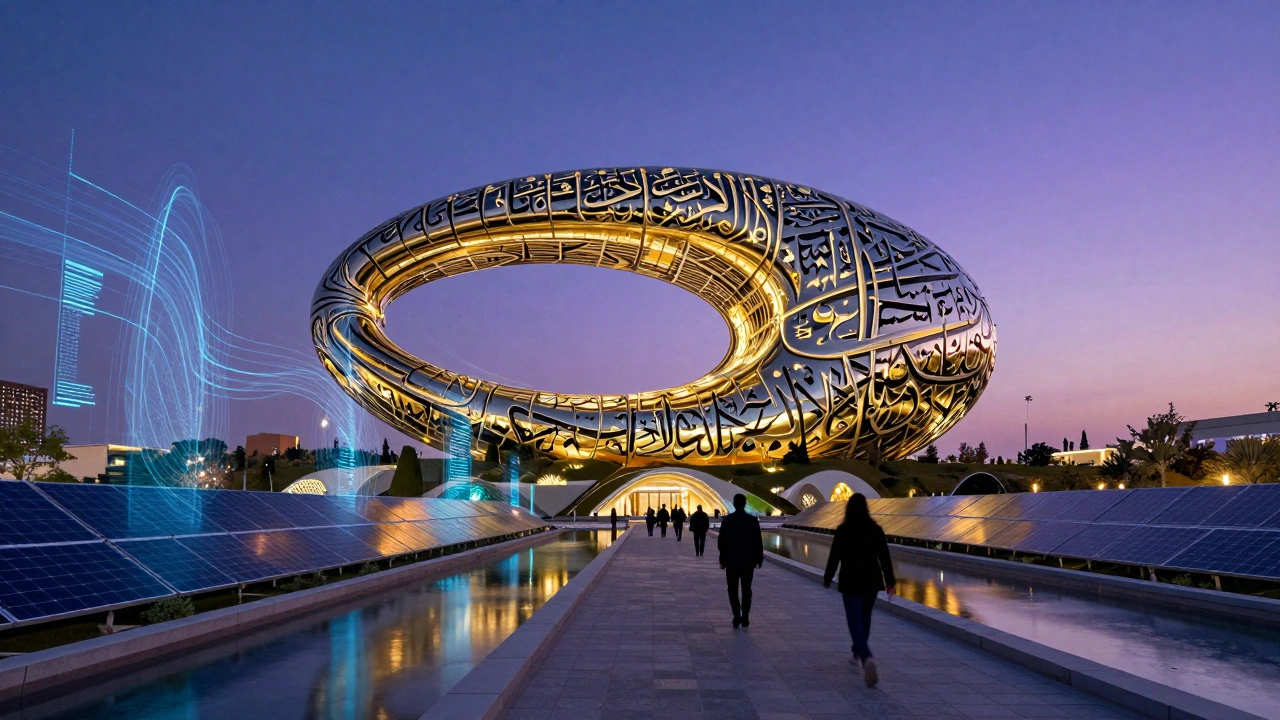
Then there’s the Museum of the Future, shaped like a zero with a golden Arabic calligraphy scroll running down its side. Inside, holograms and AI interact with visitors. The building itself is a prototype for sustainable urban design. Solar panels, rainwater capture, and zero-carbon materials are built in from day one. This isn’t showmanship. It’s a statement: Dubai invests in what comes next.
Beaches That Don’t Look Real
When people say Dubai’s beaches are pristine, they’re not exaggerating. Kite Beach, just south of Jumeirah, has soft white sand that doesn’t burn your feet-even at noon. The water? Crystal clear, with visibility up to 15 meters. You’ll see paragliders overhead, paddleboarders gliding past, and families picnicking under shaded cabanas. No crowded boardwalks. No loud music. Just the sound of waves and distant laughter.
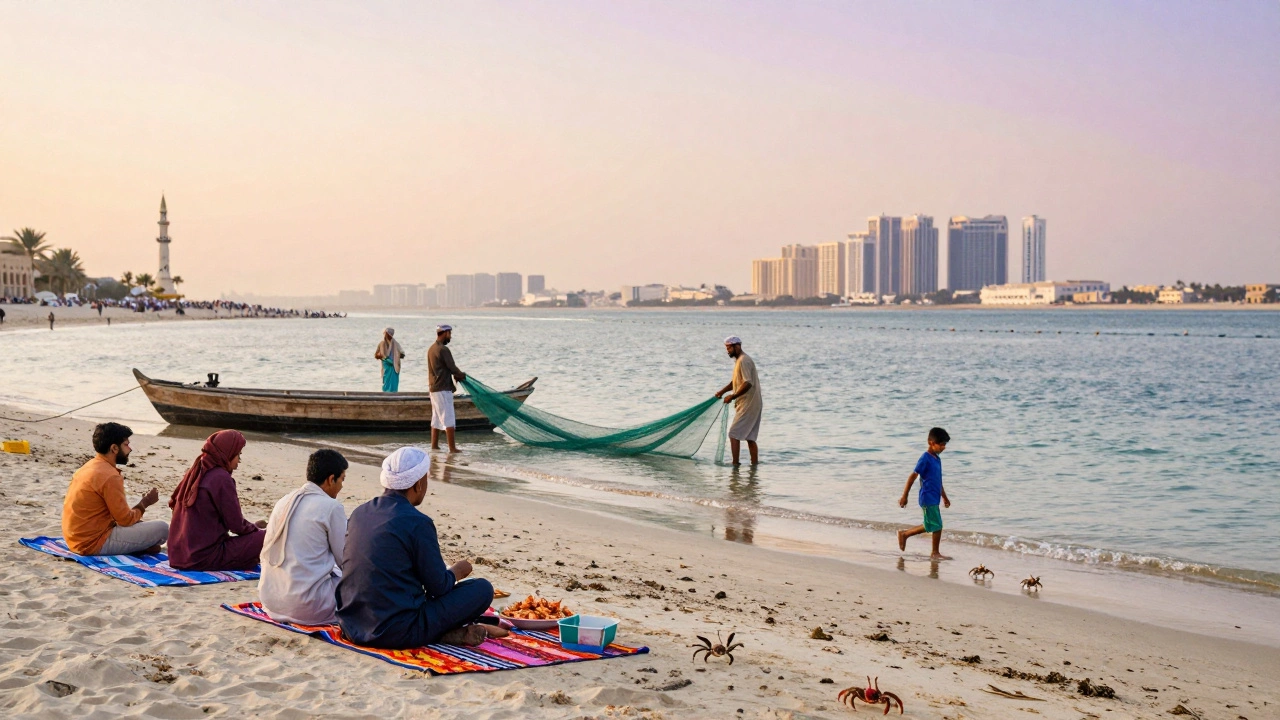
Deira Beach, on the other side of the creek, feels different. It’s quieter. More local. Fishermen still haul in their daily catch here. You’ll find families sitting on mats, eating grilled shrimp from street carts, and kids chasing crabs along the tide line. It’s not Instagram-perfect. But that’s the point. This is real life in Dubai, not the version sold in travel brochures.
Nightlife Beyond the Clubs
Dubai’s nightlife isn’t about neon lights and bottle service alone. Yes, there are rooftop lounges with DJs spinning house music and VIP tables costing $500 a night. But the real pulse? It’s in the hidden courtyards of Al Fahidi Historical Neighborhood, where live oud music drifts through lantern-lit alleys. Or in the rooftop cafés of Alserkal Avenue, where artists, designers, and engineers debate AI ethics over cold brew.
Weekend nights in Dubai are a mix of cultures. You’ll hear Arabic pop, Bollywood remixes, and French indie rock all in one night. The city doesn’t force a single vibe. It lets each community claim its own space. And that’s why it works.
What You Won’t See in the Ads
Dubai’s economy runs on oil, tourism, and real estate-but its backbone is its workforce. Over 85% of the population are expats. Many work 12-hour shifts in construction, hospitality, or logistics. They live in labor camps far from the glitter of Downtown. You won’t see them in the ads. But they’re the ones who clean your hotel room, cook your food, and build the next skyscraper.
And then there’s the hidden side of nightlife: the underground services that promise quick encounters. Terms like deira call girls appear in search results, often tied to scams or human trafficking rings. Dubai’s police monitor these networks closely. Arrests happen. Passports get confiscated. Don’t be fooled by photos on Telegram or WhatsApp. What looks like a personal ad is often a trap.
Massage Culture in Dubai
Dubai massage isn’t just about relaxation. It’s a blend of ancient traditions and modern wellness. In the older parts of the city, you’ll find traditional Arabic hammams-steam rooms with rosewater scrubs and black soap treatments. In luxury hotels, therapists use hot stones, aromatherapy oils, and deep-tissue techniques learned in Thailand and Sweden.
But here’s the catch: not all massage parlors are legal. Some operate as fronts for illegal activity. Legitimate spas display licenses, have clear pricing, and employ certified staff. If a place looks sketchy, doesn’t list credentials, or pressures you into private rooms-walk out. The Dubai massage you want is the one that leaves you refreshed, not regretful.
What to Do Instead
Want connection in Dubai? Try this: join a weekend hiking group in Hatta. Take a dhow cruise at sunset with locals who play traditional music. Volunteer at an animal shelter in Ras Al Khaimah. Attend a poetry night at the Dubai Opera. These are real experiences. They cost little. They build memories. And they don’t risk your freedom.
Dubai rewards curiosity. It punishes shortcuts. The city’s magic isn’t in its gold-plated elevators or private yachts. It’s in the quiet moments-the shared cup of tea with a stranger who becomes a friend, the sunrise over the desert dunes, the sound of the call to prayer echoing over a skyline no one thought possible.