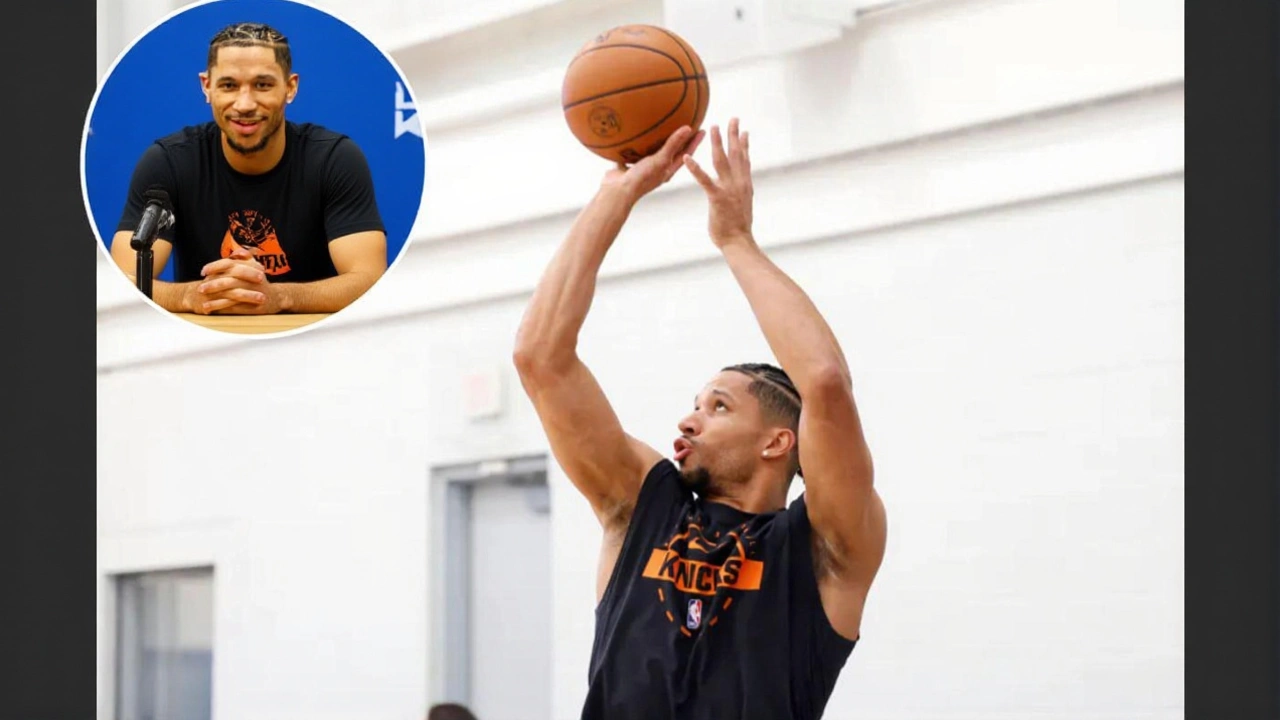
When Josh Hart, guard/forward for the New York Knicks, was pulled from the floor late in Game 1, the silence at Madison Square Garden was deafening. But here’s the thing: Hart isn’t dwelling on the benching. He’s already looking ahead, confident that his shots will fall in Game 2.
The twist is that this isn't just about one bad night. It's about trust, timing, and the high-stakes chess match played by head coach Tom Thibodeau. For fans watching from their couches, seeing a key rotation player sit out the final minutes can feel like a betrayal. For players inside the locker room, it’s often a tactical adjustment. The details are still being parsed by analysts, but the message from Hart is clear: he believes in himself.
The Context of the Benching
To understand why this moment matters, you have to look at the pressure cooker of the NBA playoffs. In the regular season, minutes are distributed more evenly. In the postseason, every possession is dissected. When Hart was substituted with under two minutes remaining in the fourth quarter, it signaled a shift in strategy. Was it fatigue? A mismatch against the opponent's defense? Or perhaps a desire to protect him from foul trouble?
Thibodeau, known for his defensive rigor and meticulous game planning, rarely makes decisions without reason. His history with the Chicago Bulls and Minnesota Timberwolves shows a coach who values system over star power. For Hart, who has evolved from a role player into a cornerstone of the Knicks' identity, this public test of confidence is significant.
Hart's Response and Mindset
In post-game comments, Hart didn't complain. Instead, he projected resilience. "I’m not worried," he said, echoing sentiments familiar to anyone who has studied his career arc. "I know those shots are going to fall in Game 2." This isn't empty bravado; it's the mindset of a player who has spent years refining his craft.
Hart’s journey to this point is no accident. Drafted 27th overall in 2017 after a championship run with Villanova University, he has bounced between teams—Los Angeles Lakers, New Orleans Pelicans, Portland Trail Blazers—before finding his home in New York. His versatility allows him to guard multiple positions and stretch the floor when needed. That value doesn't disappear because of one tough shooting night.
Broader Impact on the Series
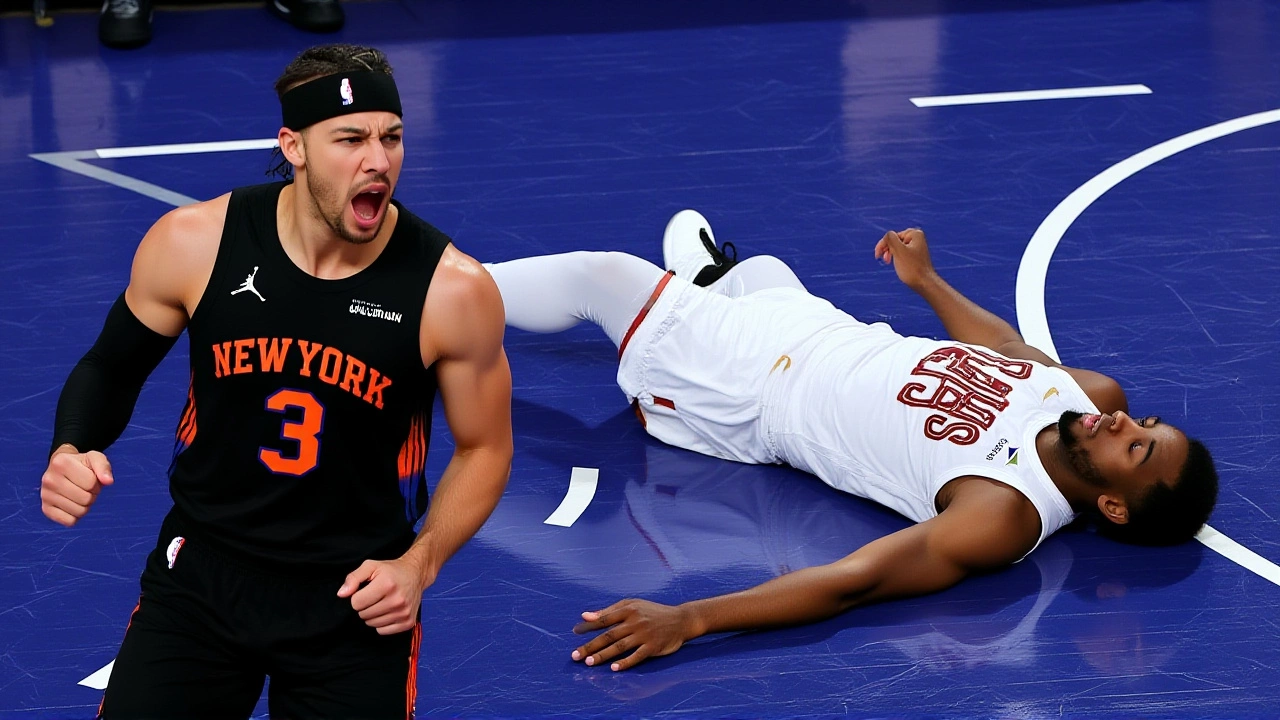
The ripple effects of Game 1 extend beyond Hart’s individual performance. The Knicks’ offensive flow relies on spacing, and Hart’s presence on the perimeter forces defenders to respect the three-point line. If opponents start ignoring him, it opens lanes for stars like Jalen Brunson and Julius Randle. Conversely, if Hart struggles, defenses can sag off, clogging the paint.
Analysts point out that playoff series are often won by adjusting quickly. Teams that adapt to early setbacks tend to dominate later rounds. For the Knicks, maintaining cohesion despite lineup changes is crucial. Hart’s ability to bounce back could be the difference between advancing or going home.
What’s Next for Game 2
All eyes will be on Hart’s usage rate and shot selection in Game 2. Will Thibodeau give him more freedom to create his own shot? Or will he continue to rely on pick-and-roll actions? These tactical nuances will define the next chapter of the series.
Fans should also watch how the opposing team adjusts. If they double-team Hart less, expecting him to struggle again, it might open up easy looks. If they overplay him, it could lead to open threes elsewhere. The mental battle is as important as the physical one.
Background Deep Dive
Hart’s college career at Villanova laid the groundwork for his professional success. Winning the 2016 NCAA Championship taught him how to perform under pressure. Since entering the NBA, he has consistently improved his three-point percentage, making him a valuable asset in today’s spread-out game.
The Knicks’ front office, led by President of Basketball Operations Leon Rose, built this roster around toughness and depth. Hart embodies those traits. His benching in Game 1 might seem harsh, but it reflects the competitive nature of the playoffs. Every decision is scrutinized, every mistake magnified.
Frequently Asked Questions
Why was Josh Hart benched late in Game 1?
While exact reasons weren't fully detailed, coaches often make late-game substitutions based on matchups, fatigue, or strategic adjustments. Tom Thibodeau likely felt another player offered a better fit for the final minutes against the opponent's defense.
How does Josh Hart plan to adjust for Game 2?
Hart expressed confidence that his shots would fall, indicating he plans to keep shooting with assurance. He may also work on creating cleaner looks through movement and screening rather than forcing contested attempts.
What is Josh Hart's role on the Knicks?
Hart serves as a versatile wing who provides energy, defense, and spacing. He guards multiple positions and stretches the floor with his three-point shooting, allowing ball-handlers like Jalen Brunson more operating space.
How do playoff benchings affect player morale?
It depends on the player's mindset. Veterans like Hart often view benchings as part of the process, focusing on improvement rather than frustration. Younger players might struggle more, requiring extra support from coaches and teammates.
Who is Tom Thibodeau and what is his coaching style?
Tom Thibodeau is the head coach of the New York Knicks, known for his intense defensive schemes and heavy workload for players. He emphasizes discipline, structure, and relentless effort, often pushing athletes to their physical limits.